The Flock
How Hatch Africa turned 30,000 rural entrepreneurs into a continent-wide food revolution
The Night the Chickens Got Drunk
Late one night in the mountains of northern Ethiopia, chickens that had been pecking at death’s door were now pleasantly drunk. As they sipped local white wine that a frantic American entrepreneur had bought on the orders of his Indian poultry sherpa, the chickens began to relax. They ate for the first time in days. Then they began to drink — water this time.
The chickens had been infected with Gumboro disease, a highly contagious virus that can wipe out whole flocks in a matter of days. There’s no known cure, and alcohol is the opposite of standard veterinary practice. And yet in rural Ethiopia, with no access to fancy electrolytes or multivitamin supplements, the wine helped sedate the birds while its sugar stimulated their appetites enough to survive the virus’s peak. Against all odds, the flock survived, as did the company, which 16 years later has gone on to revolutionize the poultry industry in Africa.
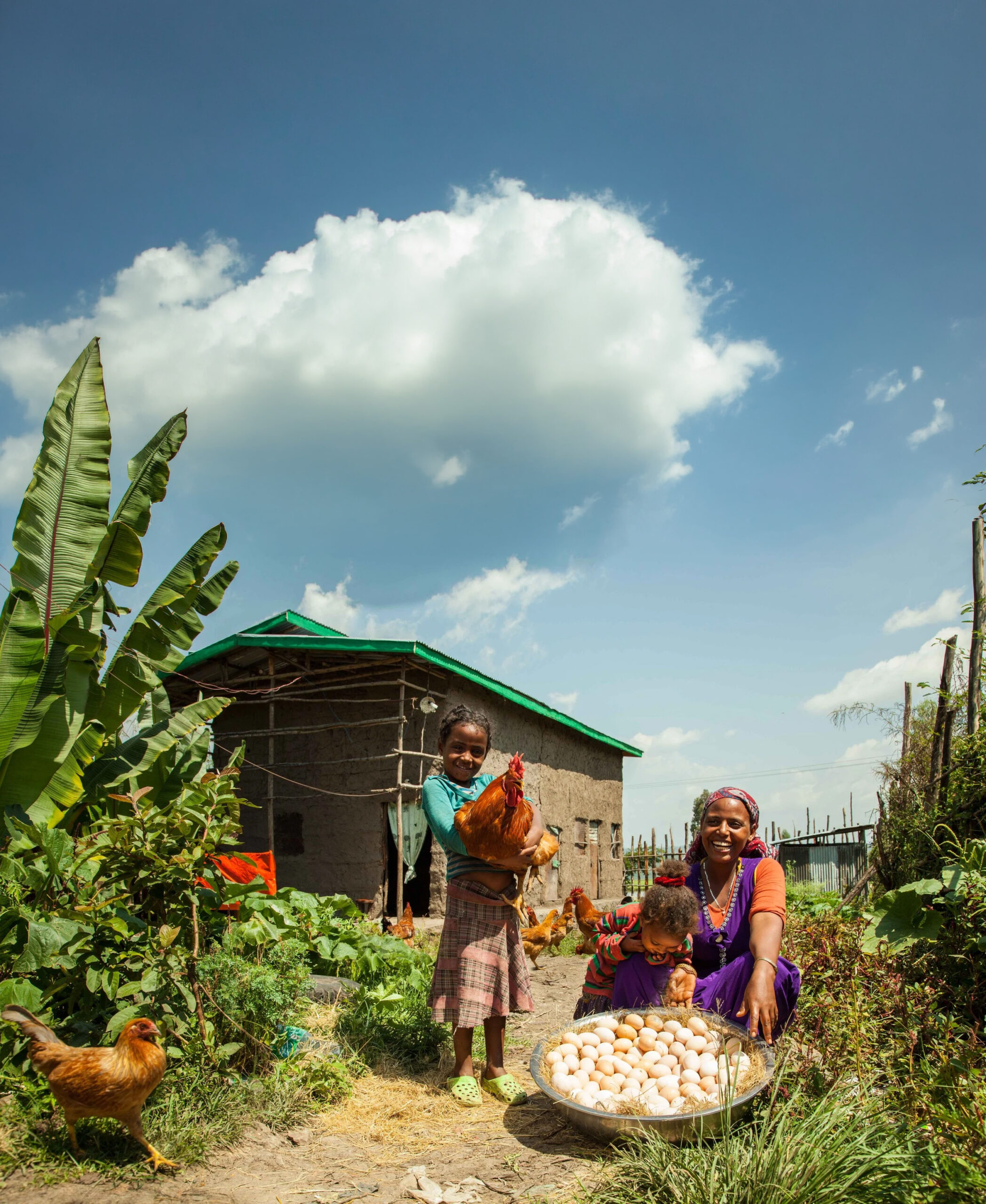
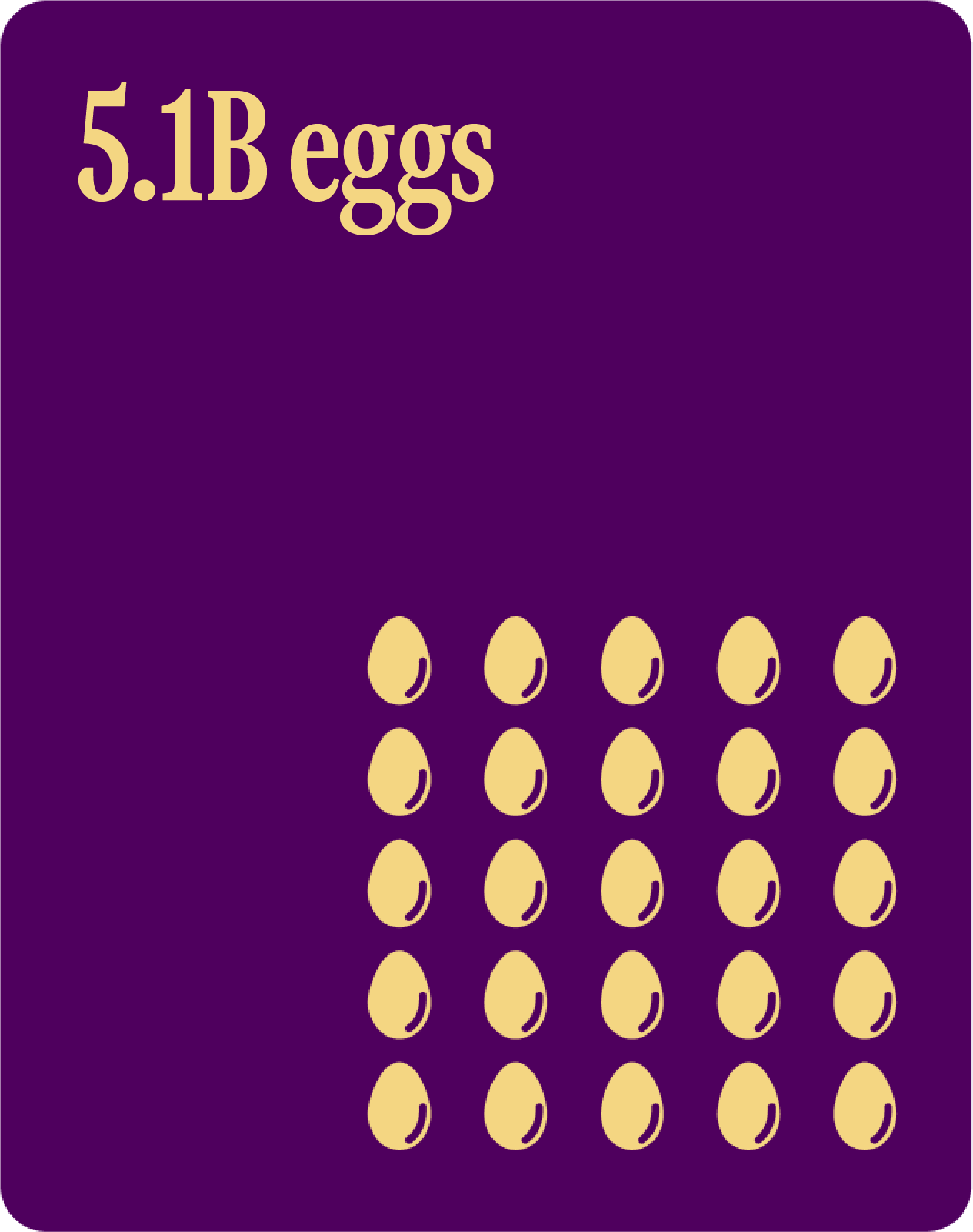
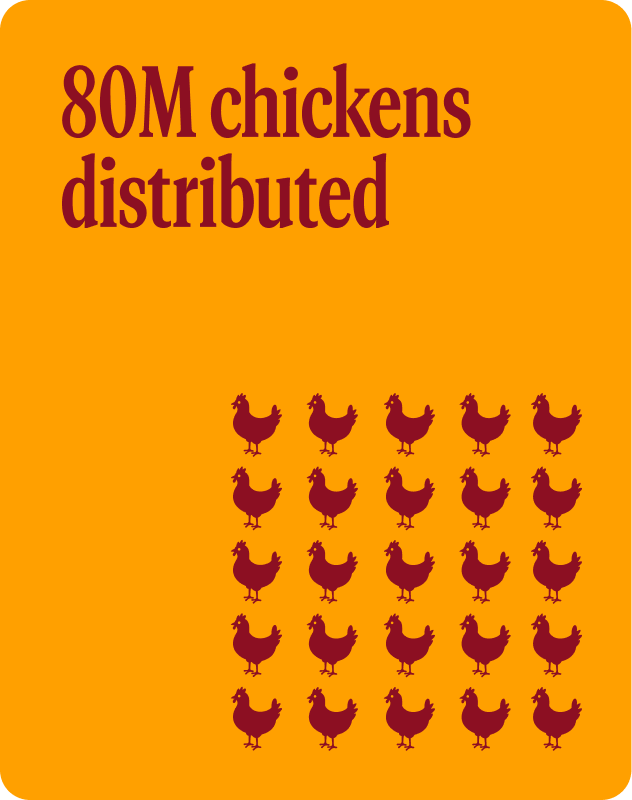
Today, Hatch Africa distributes roughly 80 million chickens a year that produce some 5.1 billion eggs and 295 million pounds of meat. In the process, it delivers vital nutrition, jobs, and economic growth to communities that no poultry conglomerate would dare touch. And it does it with a business model that few Fortune 500 companies would recognize.
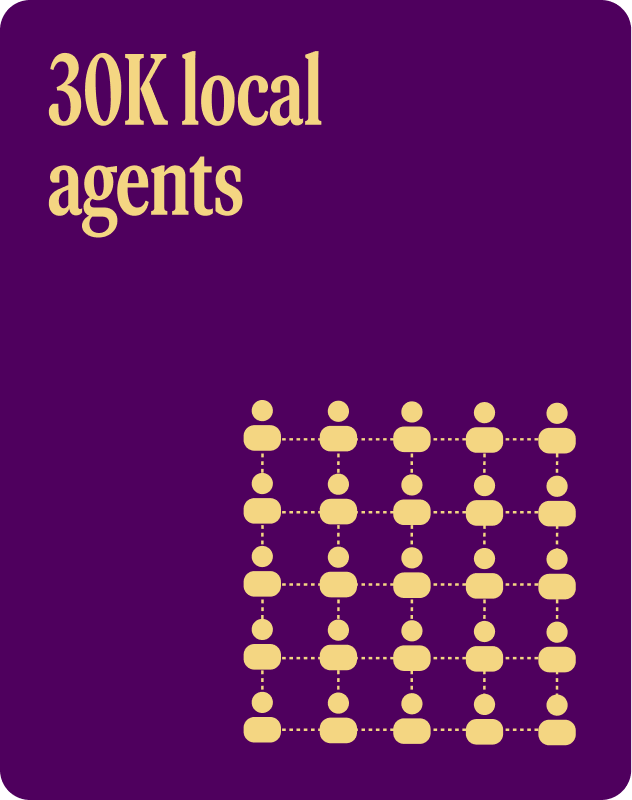
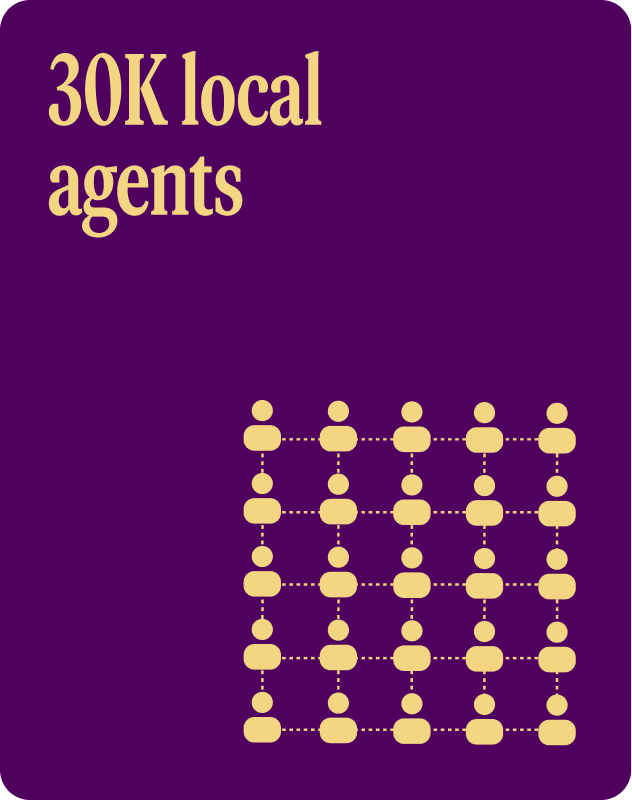
Rather than own the supply chain, Hatch hands the keys to more than 30,000 rural entrepreneurs: farmers, mothers, teachers, anyone willing to raise day-old chicks. They become the bedrock of the company and its engine for achieving extraordinary growth and impact at scale.
This is the story of what happens when a company throws out the traditional playbook and embraces unusual solutions, from white wine for a viral outbreak to a business model that harnesses a continent’s entrepreneurial drive.
This is the story of Hatch Africa.
Hatch by the Numbers
A Bold Bet
When Dave Ellis arrived in Uganda in 2009, he had no intention of starting a chicken business. In fact, before moving to Africa, he had never seen a live chicken before. The Chicago native was a few years out of university, where he’d developed an interest in making an impact in Africa through the private sector.
“In a business context, you’re only limited by the size of the problem that you’re solving,” says Dave. “You can grow to as big as the problem is. And if you’re solving a big problem, that’s really exciting for someone who wants to create impact at scale.”
Dave teamed up with a friend from Chicago, Trent Koutsoubos, and the two tried to raise a $5-million fund to invest in East African small and medium enterprises (SMEs). They pitched everyone they knew: friends back home, family offices, random connections. After a year of effort, they’d raised exactly zero percent of their goal.
“Everyone said, ‘We don’t want to subsidize your education,’” Dave laughs.
Their skeptics had a point. Between 80 and 90 percent of SMEs fail in Africa in their first five years due to a host of factors, from the funding gap to infrastructure deficits to market fragmentation.1 Backing two recent college grads with few local ties to solve these problems seemed like a bad bet.
So Dave and Trent bet on themselves. They liquidated their savings, fronted the business $100,000, and brought in a third co-founder, Joe Shields, a consultant at McKinsey who was on the cusp of going to a prestigious business school. Instead, he threw his lot in with Dave and Trent and moved to Africa, where the three set out to make one incredible investment on the back of which they could raise a larger fund.
Going All In on a Rundown Chicken Farm
The co-founders scoured the African market for the best investment opportunity and homed in on Ethiopia, a nation that boasted the largest population in East Africa yet received the least foreign direct investment. On a scouting trip to Addis Ababa, every stakeholder they engaged with corroborated the scale and excitement of the underlying investment opportunity.
In August 2010, they traveled north from the capital into the mountainous terrain of Tigray, where the Ethiopian government had built a hatchery to supply local farmers with more productive chickens. One look around the rundown property made it clear that the operation was floundering. The government had already courted two foreign investors in a desperate bid to privatize. Both had passed.
But the co-founders saw potential. For one, the business came fully equipped with 17 chicken sheds, an incubator, and a feed mill, amounting to several million dollars in infrastructure that they never could have afforded to build from scratch. More importantly, the failing hatchery sat at the intersection of a massive, unaddressed market crisis.
“In a business context, you’re only limited by the size of the problem that you’re solving.”
Although two-thirds of Ethiopian households raised backyard chickens, these indigenous birds did little to solve food security. They were painfully unproductive, laying just 60 eggs a year and taking a full 12 months to reach market weight. Worse, their survival rate was abysmal; barely 40% of chicks made it to three months.2 Imported exotic breeds weren’t an option either. A broken supply chain made them so scarce that chicken cost more than beef, and the few birds that did reach the countryside quickly succumbed to the harsh rural climate.
If this hatchery could solve the problem, it would have the potential to scale and change millions of lives. With the Ethiopian government offering a 10-year lease in exchange for 20% of its profits, the co-founders took the deal in the autumn of 2010 and Hatch Africa was born.
A Tough Start Brings Hatch to the Brink
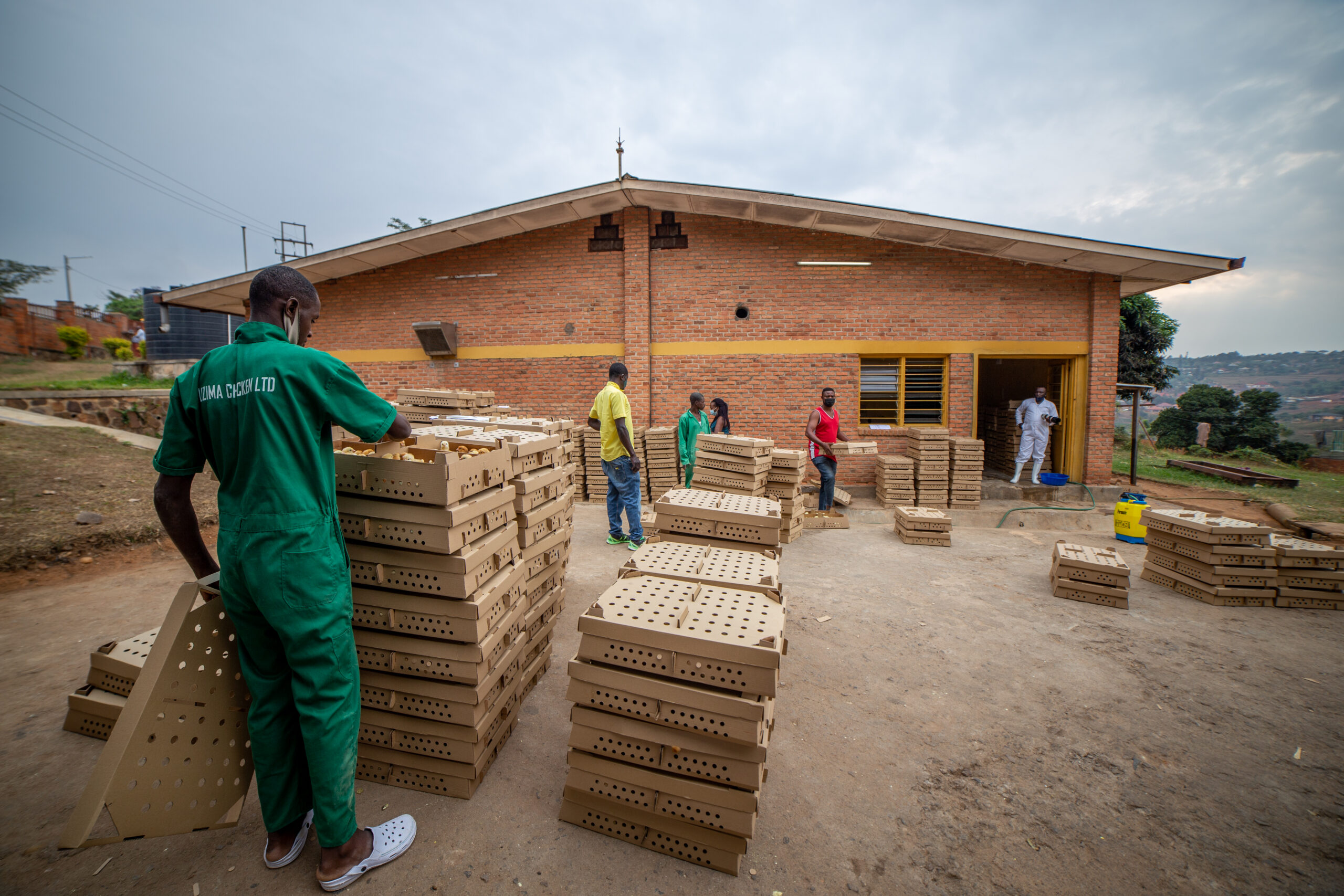
The transition from investors to business owners was a literal baptism by fire. Their first night at the hatchery, a blaze broke out and imperiled the company’s 16,000 day-old chicks. All of them survived, but by the time they were ready to be sold, the government buyers were nowhere to be found. Stranded with thousands of market-ready chickens, Hatch had to scramble to sell the birds themselves at live markets and local businesses.
Mulugeta Abrha, one of the company’s first hires, remembers lugging 360 chickens to an industrial engineering company. “The moment the employees got off work, they started opening the coops, and chickens started flying everywhere!” says Mulugeta.
The day after the last chickens were sold, a government truck casually rolled up to the facility expecting to collect the flock. No one was happy.
As 2011 rolled in, the company continued to struggle with miscommunication, bureaucratic delays, and supply chain issues. To get birds to their hatchery, they had to import day-old chicks from India and transport them 15 hours from the airport in a school bus with its seats ripped out. To improve margins, they tried importing unhatched eggs from India, only for 10,000 of them to rot in the Dubai heat during a customs delay.3 Next, they tried to establish a parent stock of 3,500 Indian Kuroiler chickens in Mekelle, only for them to come down with the deadly Gumboro disease.
With the venture’s future on the line, the infected birds stopped eating and drinking. Frantic and running out of time, Dave spoke with IP Gupt, the company’s poultry sherpa who had flown in from India with the latest flock and in broken English told them what to do: “Wine. White wine. Eight liters.” Rushing around to find local white wine in Mekelle is one of those moments an entrepreneur never forgets.
“There was a lot of falling on our faces,” says Dave.
Remarkably, the makeshift cure worked, but the company itself remained on the brink. Huddled together, they stared at the numbers and came to a radical conclusion: If they wanted to survive, they couldn’t just tweak the business here or there.
They had to build the whole thing different.
Hatch Africa
Hatch Africa
Agents
Agents
Customers
How it Works
Hatch Africa Imports Parent Stock
Hatch Africa delivers high-yield chickens to rural customers across the continent. It starts by importing breeding chickens, which are reared for six months at the company’s breeder farms before they begin to produce fertile eggs.
Hatch Africa Recruits Local Micro-Entrepreneurs
Hatch Africa continuously recruits local agents — teachers, mothers, farmers, young entrepreneurs — who will raise day-old chicks and sell them within their communities.
Egg Production Begins
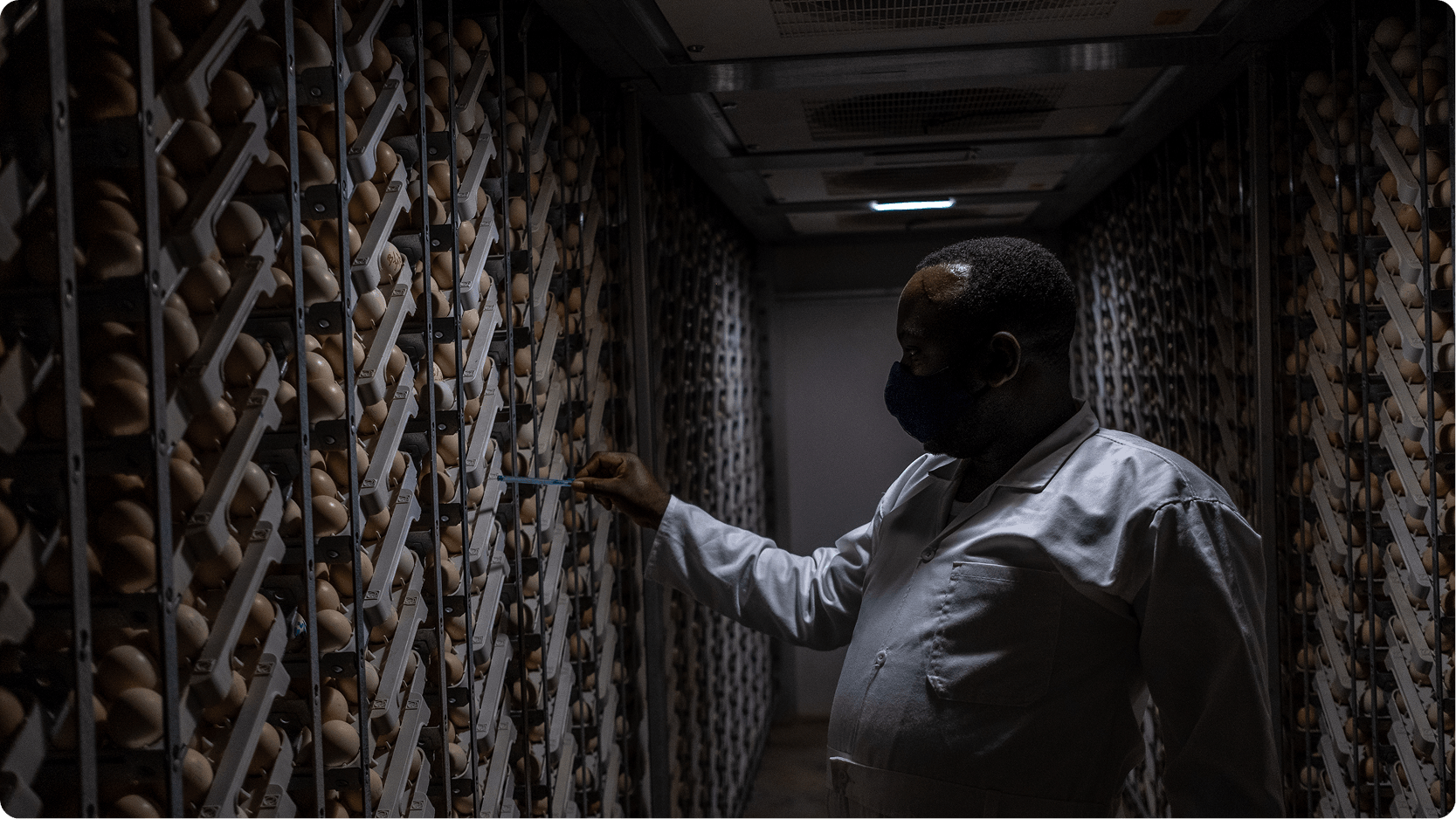
After six months, the parent stock chickens are ready to produce fertile eggs, which are then incubated for 3 weeks at the company’s hatchery. Agents prepay 2 weeks in advance at a rate of $2 per chick, with a minimum order of 200 chicks. Included in the package are chicks, feed, vaccines, and delivery.
Chicks Change Hands
Within 48 hours of hatching, Hatch Africa delivers day-old chicks, feed, and vaccines to agents, often in extremely remote parts of the country
Agents Raise Chicks
Agents raise chicks for the critical first 30 days of their lives, ensuring the chicks are well-fed, properly vaccinated, and ready to thrive in a village setting. Hatch Africa provides hands-on technical support pre-and post-delivery.
Agents Sell Chickens to End Customers
Agents sell month-old chicks to local families and smallholder farmers for $3 a piece, and earn ~$0.75 profit per bird, a 30-40% return on their capital invested within 6 weeks. Successful agents grow their orders and rear chicks several times per year.
The Final Step
Smallholder farmers, most often rural women, purchase flocks of 10-20 month-old chicks from agents, and then rear them to maturity.
This distribution model and Hatch’s new chicken breed revolutionized the accessibility of protein for rural families. Farmers can also sell surplus eggs and meat to other consumers in their communities, providing an additional source of income.
A Radical New Business Model
One day in the summer of 2011, Hatch invited local farmers to attend a training seminar in Mekelle. The company expected maybe 20 people to wander in. Instead, 80 farmers crowded the room. Standing before them, the co-founders pitched an unusual proposal: Hatch would sell them day-old chicks, and these farmers, acting as independent agents of the company, would brood them, vaccinate them, and sell them in their own communities.
As unconventional as the proposal was, it seemed like a win-win. Selling day-old chicks instead of adult chickens would allow Hatch to reduce rearing costs and establish a reliable customer base. In turn, agents would inherit a micro-franchise that could generate about $1 of profit per chicken in just six weeks, a valuable opportunity in rural communities where jobs were scarce and poverty rampant.
Not everyone thought it was a good idea. “I told Dave, ‘How will locals care for day-old chicks?’” says Mulugeta. “‘We have vets here. They aren’t vets!’”
Beyond rearing concerns, delivering day-old chicks on rural roads was risky, as was trusting that everyday people from the local community could successfully rear and sell chickens in their backyards. If it went sideways, Hatch’s reputation would be on the line. And yet a year into the business, with their backs against the wall, they gave the radical new business model a shot.
“Don’t underestimate the farmer. They’re very capable of finding financing when unit economics makes sense across the value chain.”
The government was incredulous when it found out and threatened to shut Hatch down. Before pulling the plug, inspectors visited one of the pilot agents and demanded to see the fragile chicks they assumed had perished. Instead, the farmer proudly presented a thriving, healthy flock.
“They were shocked,” says Mulugeta. “They went straight to the head of the department of agriculture and said, ‘They’re doing it!’”
Taking the Business Nationwide
Building from a few local farmers in Mekelle to a network of agents across Ethiopia was no small task. To pull it off, Hatch hired a team of young, highly motivated local graduates. Among them was Dr. Fseha Tesfu, a vet who found himself acting less like a doctor and more like a missionary.
Fseha spent his days on public buses crisscrossing rural Ethiopia with a backpack full of marketing materials “like a crazy man,” he says. “People would laugh at me. They’d say, ‘Are you serious? Selling chickens on public transport?’”
Rural farmers were equally skeptical, but Fseha used his credentials to bridge the trust gap. “I am a vet,” he would tell them. “I can help you professionally. These won’t die, and if anything happens, we are here to support you.”
One of his first agents was a middle school teacher who had never worked with chickens. “He didn’t know anything about feeders, drinkers, day-old chicks.” Despite his fears, he purchased 500. Some 15 years later, “He’s now one of the largest customers in the company,” says Fseha.
As Hatch recruited more agents, they found that people with a background keeping chickens were actually a poor fit for the company, as they didn’t want to change their chicken rearing approach. Hatch had more success with young entrepreneurs — like Fseha’s middle school teacher — who were open to new ideas, limited by traditional employment in rural Ethiopia, and hungry to lift themselves out of extreme poverty. If those people knew the local market and were excited by the product, they were well-suited for Hatch.
By the end of 2011, the investment in building a robust network of rural agents had paid off. Hatch reported a staggering 250,000 chickens distributed in the Tigray region alone, up from 10,000 the year before. The growth was so explosive it caught the attention of Ethiopia’s Prime Minister, who traveled to Mekelle to see the improbable success story for himself. He praised the company as “heroes of development” and “proof that the struggle was not in vain.”
To unlock scale,
they had to let go
80M
chickens are distributed by Hatch per year
30,000
rural entrepreneurs distribute chickens across Africa
40%
profit is earned by entrepreneurs with each chicken sale
$3.4B
of additional income for rural entrepreneurs generated since 2010
In Pursuit of the Perfect Chicken
One day in 2014 Hatch went to retire an old breeding flock of Indian Kuroilers and replace them with fresh parent stock. Then the news broke: Avian flu had struck India, and the Ethiopian government had banned all poultry imports from the subcontinent. Just as their decentralized model was taking off, Hatch’s entire genetic supply chain vanished overnight.
The ban forced a reckoning. While the Indian Kuroiler had gotten the company off the ground, it was an imperfect fit for the rural Ethiopian market. Although the bird grew quickly and reached an impressive market weight, it was geared more toward meat than laying eggs. Hatch’s customers wanted a bird that could grow fast but also lay prolifically.
With the import ban threatening to halt production entirely, the founders began a grueling, desperate hunt for a replacement. They tried sourcing alternative breeds from a provider in Ethiopia. Fifty thousand dead chickens later, the company was again on the ropes. That’s when they learned of a small French company, SASSO, that was engineering chickens specifically for smallholder farmers, a demographic that industrial poultry giants have historically ignored.
Dave called them with one simple question: “Can you send us a chicken that won’t die?”
The experts at SASSO didn’t hesitate. “You want TA451!”
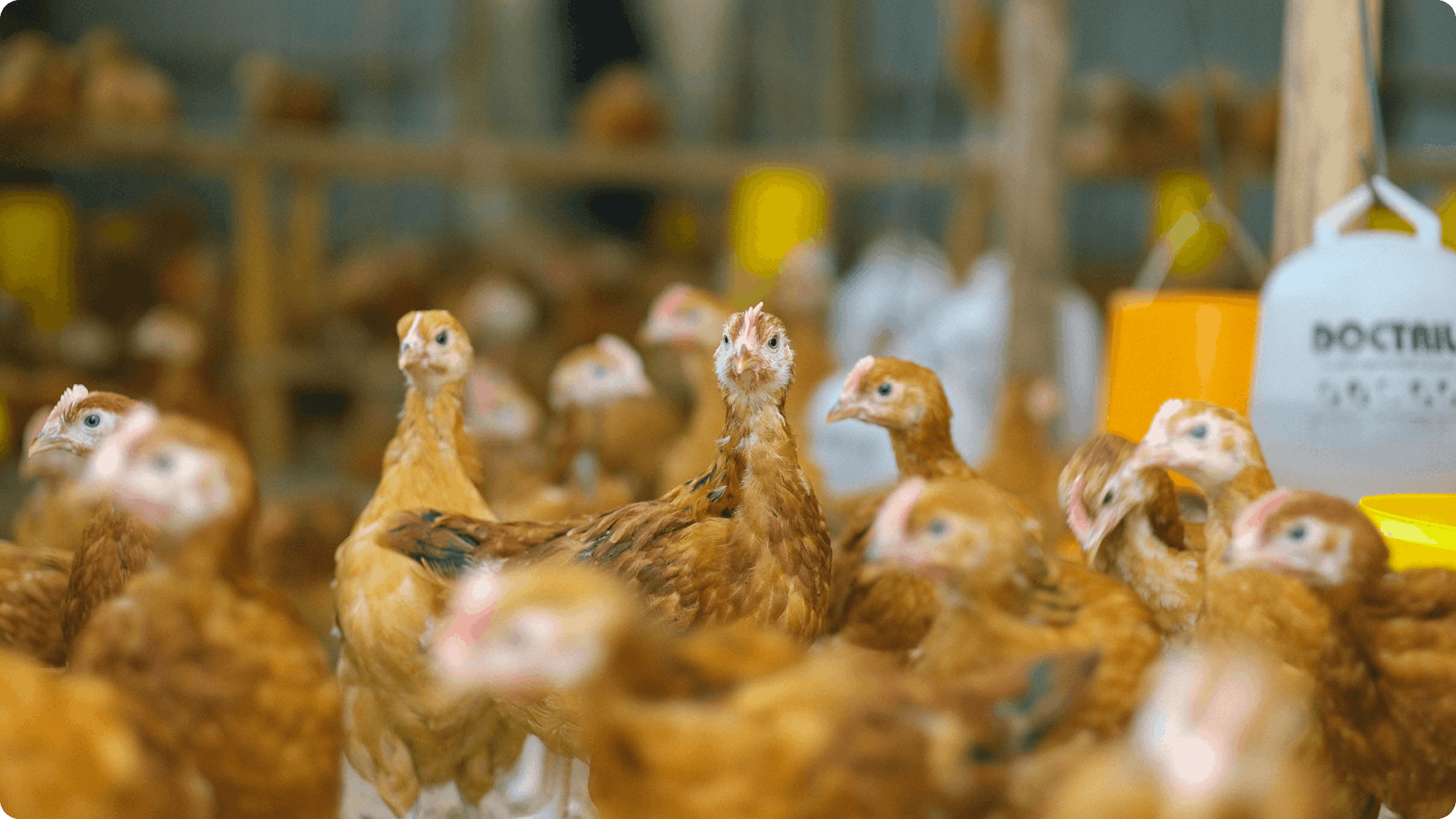
It was their most resilient, field-hardened breed. In 2016, 30,000 parent stock touched down in Ethiopia. The new line proved to be a revelation. They were fiercely resistant to local diseases, highly agile foragers, and boasted excellent egg production under harsh conditions. Mortality rates plummeted, and the financial strain on the rural feed supply chain eased.
“Before, no one would believe a strong chicken would come from Africa,” says Mulugeta. “Now, we had one.”
Catalytic Capital Provides a Bridge to Rwanda
Finding the perfect chicken meant nothing if Hatch couldn’t afford to keep the lights on long enough to hatch them. The company’s financial reality in 2014 was still perilous — until impact investor Acumen stepped up with $750,000 of flexible, mezzanine debt. This injection of patient capital gave Hatch the breathing room to stabilize its operations and finalize the high-stakes pivot to the SASSO breed.
Once the model was validated, Hatch was introduced to the Bill & Melinda Gates Foundation, whose agricultural development team was actively hunting for a way to scale dual-purpose poultry across the continent. They saw Hatch’s unique rural distribution network and asked a question out of every entrepreneur’s dream: “Ask for what you need, and we’ll tell you if it’s too much.”
The team asked for $7 million. It was not too much.
The Gates grant, together with debt from FinnFund and others, effectively doubled Hatch’s financial footprint and arrived at the perfect time, providing the vital bridge to look beyond Ethiopia. “Any later and we may not have been here,” says Joe. “Any earlier and we might have wasted it on stupid breeds.”
In 2017, the Rwandan government approached Hatch with a familiar offer: Come breathe life into another underutilized, state-run chicken farm. Expanding into their second market proved to be a grueling lesson. Facing slow growth, the company made a multi-million-dollar, three-year error: They began buying month-old chickens back from their own agents to sell to farmers themselves, effectively breaking their own decentralized model. The whole system seized up, and the sales network collapsed.
“That taught us lots about the capability of local agripreneurs and entrepreneurs,” says Hatch COO Alice Chang. “Don’t underestimate the farmer. They’re very capable of finding financing when unit economics makes sense across the value chain.”
Hatch returned to their core ethos — sell to agents, then get out of the way — and their business in Rwanda rebounded, proving that their agent model wasn’t just an Ethiopian anomaly. It was a repeatable, continental strategy.
Built Different
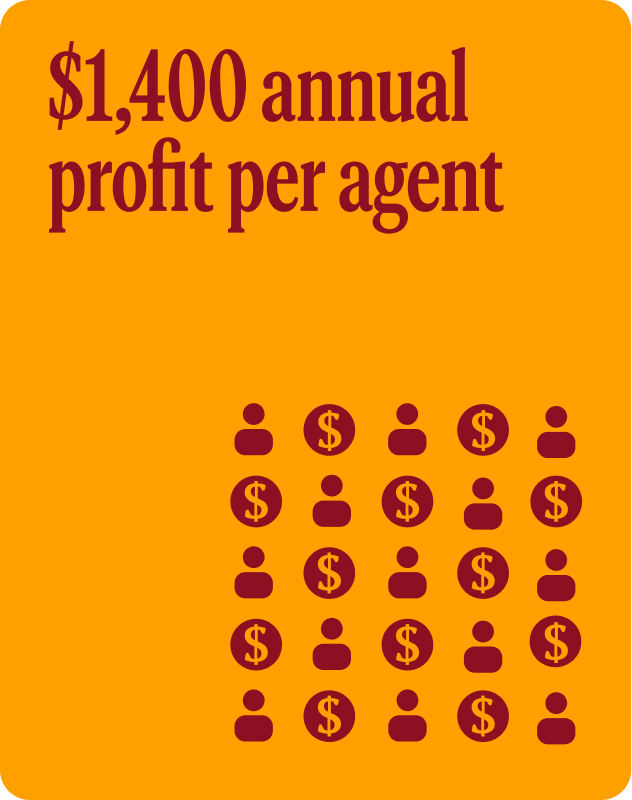
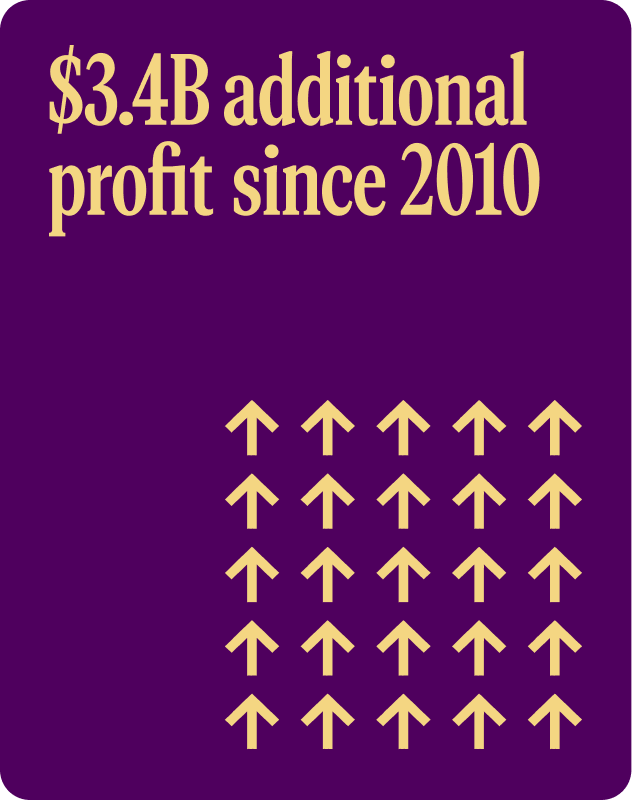
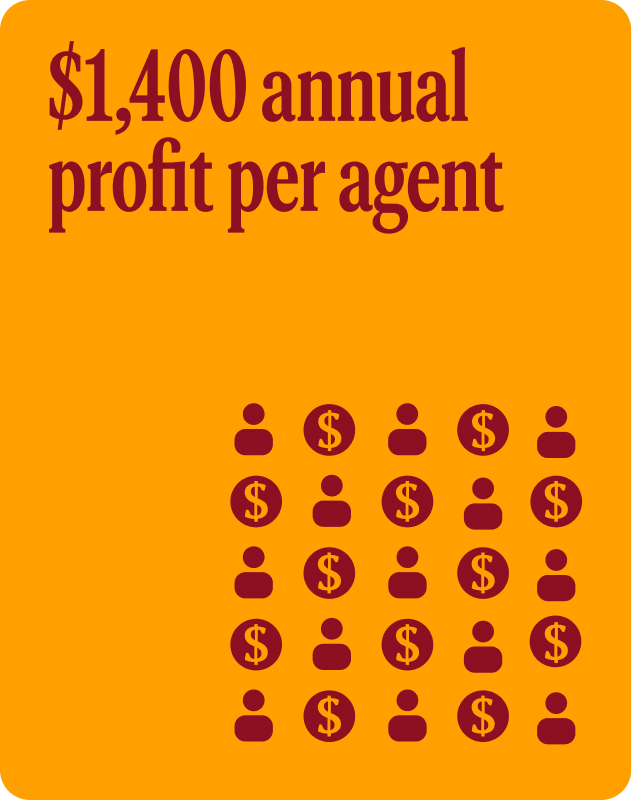
In the years that followed, Hatch scaled across Uganda, Kenya, Ghana, and Ivory Coast. Today, the company supports over 30,000 local agents — a third of them women — who earn an average of $1,400 in profit per year. Since 2010, Hatch has generated an additional $3.4 billion in income for smallholder farmers.
This immense value creation for the community has created a highly valuable company.
"The biggest thing missing in Africa isn’t innovation. It’s leaders and businesses that care enough to take proven solutions and do the hard work of delivering them to the people who need them."
“The real brilliance is serving the rural market,” says Rebecca Mincy, investment director at the Acumen Resilient Agriculture Fund (ARAF), which co-led Hatch’s expansion round with AHL, AgDevCo, and others. “Serving rural markets is elusive and costly, but they figured out how to do it and make money.”
Once Hatch found this blueprint, they learned to resist the urge to overcomplicate it. While each new geography presented distinct challenges, they used Rwanda as a cautionary tale, replacing constant pivots with relentless execution and incremental improvements.
This operational discipline has left Hatch in an enviable competitive position. Other industrial hatcheries would love to tap into the massive smallholder market, but doing so requires years of exhausting, unglamorous groundwork. Most companies — and their investors — simply don’t have the patience, risk tolerance, or long-term perspective to build a distribution network from the ground up.
But more than anything, competitors lack a team willing to stay in the field long enough to see the model through.
Years after that first flock in Mekelle, Hatch’s original team is still putting in the work. Dr. Fseha Tesfu, who spent his early years with Hatch crisscrossing Ethiopia by public bus, eventually moved to West Africa to spearhead the company’s expansion; today, he serves as managing director of Ghana and Ivory Coast.
Dr. Berhane Girmay, who joined Hatch fresh out of veterinary school, eventually led the company’s expansion into Kenya and is now the Managing Director of the Ethiopia business. Given Nsengiyumva, started managing agents in rural Rwanda out of university, grew into sales management in Rwanda and Kenya, and is now the Managing Director of the Kenya business.
Mulugeta Abrha, Hatch’s second employee, remains at the heart of the enterprise. These days you can find him as Exports and Logistics Director for the entire pan-African operation, overseeing the shipment of 80,000 chicks a week as luggage-class passengers on Ethiopian Airlines. As for Dave and Joe, they’re both still at it, serving side-by-side as Hatch’s co-CEOs.
“The biggest thing missing in Africa isn’t innovation,” Joe reflects. “It’s leaders and businesses that care enough to take proven solutions and do the hard work of delivering them to the people who need them.”
Acknowledgements
This story was co-authored by Andrew Tolve, Dan Waldron, and Kristi Chon of Acumen.
Acumen would like to thank the Target Foundation for supporting the creation of Build Different.
Acumen would also like to thank those interviewed for the report: the Hatch Africa team (Dave Ellis, Joe Shields, Alice Chang, Dr. Berhane Girmay, Dr. Fseha Tesfu, Mr. Mulugeta Abrha, Given Nsengiyumva), AgDevCo, AHL, Gates Foundation, ARAF, Dr. Solange from the Rwandan government, Jemal Giday of the Ethiopian Government, and Louis Perrault from SASSO.